
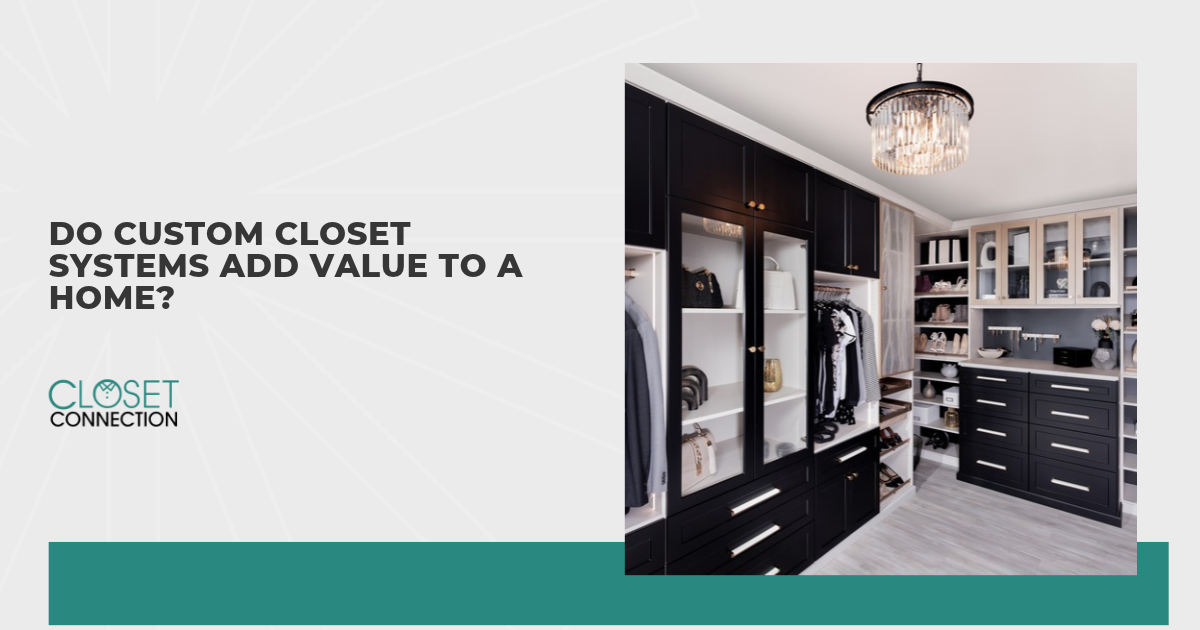
Closets rarely top a buyer's wish list, yet they're often the first doors people open during a showing to judge whether a home has room for their clothes, shoes, and everything else. In my experience, homeowners who invest in custom closet systems notice the payoff twice, first while they live there and again when a buyer walks in and sees storage that feels built around the way they live.
Without a doubt, a custom closet adds real value to a home. Buyers see tailored shelving, drawers, and hanging space as a finished upgrade they won't need to tackle or pay for after moving in. The benefits go beyond resale, because smarter storage frees up floor space, simplifies morning routines, and gives bedrooms, entryways, and pantries a polished look. A well-designed closet signals that a home has been cared for, and that kind of detail can meaningfully influence how a property is perceived and priced.
Before you write off custom closet systems as a nice extra, take a look at the seven ways they add real, lasting value to your home:
- Boost your home's resale appeal
- More storage space without a bigger footprint
- Better organization for everyday living
- Add a high-end, finished look to any space
- Personalized designs that fit your lifestyle
- Quality materials built to last
- A selling point that helps homes stand out
Some of the biggest perks of custom closet systems aren't the ones buyers notice first, and I think a few of them will surprise you. Keep reading to see where the real value shows up.
Boost Your Home's Resale Appeal
Buyers tour a home with a mental checklist, and storage sits near the top of it for most families. Closets with wire shelving and one sagging rod tell them they'll need to spend money soon after closing. Custom closet systems send the opposite message by showing storage that's already planned, built, and ready to use.
Several things shift in a buyer's mind once they open a closet built with care, including how they weigh your asking price against the competition:
- Fewer Upgrades on Their To-Do List: Buyers often subtract the cost of future projects from their offer, including closet makeovers. Finished storage removes one more item from that list, so your asking price feels easier to justify.
- Proof of a Well-Kept Home: Thoughtful storage hints that the owners cared about the details behind closed doors. Buyers take that as a sign the rest of the house got the same attention, which builds trust before inspections.
- Easier to Picture Moving In: Shoppers can picture their own wardrobes on the shelves instead of wondering where everything will go. Once they can imagine unpacking, emotional attachment starts to grow, and that feeling often shapes offers.
Closets won't return dollar for dollar like a kitchen remodel, and no one should promise a set figure. Still, I've watched buyers linger in a well-designed closet longer than they do in some bedrooms, and that kind of attention tends to matter at negotiation time. Keep the design timeless with neutral finishes and flexible layouts so it suits a wide range of tastes. Your future buyer gets storage that already works, and you walk into negotiations from a stronger position.
More Storage Space Without a Bigger Footprint
Square footage is expensive, and adding more of it usually means a renovation, a permit, and months of disruption. Most standard closets waste a surprising amount of room above the top shelf, below short hanging clothes, and in deep corners nobody can reach. Custom closet systems reclaim those dead zones by building storage from floor to ceiling and wall to wall.
Smart design pulls extra capacity from spots most closets ignore, such as:
- Vertical Wall Space: Double hanging rods stack shirts and pants in the same width a single rod once used. Tall shelving above them holds off-season bins, luggage, and anything you only reach for twice a year.
- Corners and Angles: Corner units and curved shelves turn awkward angles into usable storage for shoes, handbags, or folded sweaters. Nothing gets buried in a dark pocket where you forget it exists for months.
- Built-In Drawers: Drawers inside the closet take over the job of a bulky dresser in the bedroom. Once that piece moves out, you gain floor space and the whole room feels larger.
Reach-in closets can hold far more after a redesign without moving a single wall — and buyers notice that extra capacity right away, especially in older homes where closets tend to run small. You also get breathing room now, since clothes stop spilling onto chairs and bedroom floors. I find that smarter layouts cost far less than an addition and deliver results in days instead of months.
Better Organization for Everyday Living
Clutter costs you time long before it costs you money. Mornings drag when you're digging through piles for a matching shoe or a belt you swore was on the hook. Small hassles like these add up, and they chip away at the calm you want at home.
Workday outfits belong at eye level, while formal wear and seasonal pieces move higher or farther back. Pull-out hampers, valet rods, and jewelry trays give each item a set place, so putting things away takes seconds. I always design around how someone actually gets ready, not just how many items they own, because that's what keeps a closet working past the first week.
Better organization also helps you shop smarter. You'll see what you already own, which cuts down on duplicate purchases and forgotten items with tags still attached. Kids pick up the habit faster too when bins and hooks sit within easy reach. Custom closet systems turn tidiness into a routine your whole family can maintain.
Add a High-End, Finished Look to Any Space
Closet doors won't stay closed forever, and plain wire shelving can make even a beautiful bedroom feel unfinished. Built-in storage changes the impression completely. Clean lines, matching panels, and integrated lighting give a closet the same polish you'd expect from a well-designed kitchen.
Most of that refined feel comes from a handful of intentional details, including:
- Finishes and Textures: Wood grains, matte whites, and soft grays coordinate with flooring, trim, and cabinetry throughout the house. Textured laminates add warmth and depth without the upkeep that real hardwood often demands.
- Hardware and Accents: Brushed nickel, matte black, or brass handles act like jewelry for your storage. Small swaps like these refine the space and tie the closet into the style of the surrounding room.
- Integrated Lighting: LED strips under shelves and inside cabinets brighten corners that a single ceiling fixture can't reach. Soft, even light makes colors easier to match and gives the closet a boutique feel.
Extending the same finish into pantries, mudrooms, and home offices makes the whole house feel connected rather than pieced together. Consistent built-ins read as intentional design, and guests notice it even when they don't say so. I like how a cohesive look carries through each room because it elevates the whole home, not just one corner of it. Your closet stops being something to hide and becomes part of the home's character.
Personalized Designs That Fit Your Lifestyle
No two households store things the same way. Someone with a large shoe collection needs a different layout than a parent juggling school uniforms and sports gear. Off-the-shelf kits force you to adapt to their limits, while custom closet systems start with your habits and build outward.
Some of the most requested personal touches include options such as:
- Dedicated Hobby or Gear Zones: Golf bags, craft supplies, and camera equipment each get a fitted spot instead of crowding a shelf. Adjustable dividers keep fragile items secure and make it simple to grab what you need quickly.
- Accessibility Features: Pull-down rods, lower shelving, and wide walkways help older adults or anyone with limited mobility reach clothing safely. These adjustments support aging in place, which many buyers value more each year.
- Shared Closet Layouts: Couples who share one closet can split hanging space, drawers, and shoe shelves to match each person's wardrobe. Clear boundaries reduce clutter battles and help both people stay organized without compromise.
Planning for the next five years makes more sense than designing around the wardrobe you own today. Adjustable shelves and movable rods let the layout shift as kids grow, careers change, or a guest room becomes a nursery. I recommend building in that flexibility from the start because it protects your investment at resale too, since buyers can tweak the setup without tearing anything out.
Quality Materials Built to Last
Cheap closet kits often look fine on day one and start sagging within a year or two. Particleboard swells in humid rooms, thin shelves bow under stacks of jeans, and plastic brackets crack without much warning. Strong construction comes down to a few key components, including:
- Thick, Durable Panels: Shelves made from thick, thermally fused laminate resist scratches, moisture, and fading far better than thin particleboard. They hold heavy folded stacks of clothing for years without bowing in the middle.
- Smooth, Sturdy Hardware: Full-extension drawer slides and soft-close hinges handle years of daily use without wobbling, sticking, or slamming. Quality hardware keeps doors aligned and drawers gliding smoothly long after cheaper parts wear out.
- Secure Wall Mounting: Systems anchored directly into studs or wall rails carry heavier loads than freestanding units or adhesive hooks. Proper installation keeps everything level and safe, even when shelves are packed full.
Durability is where long-term value really shows. I've replaced plenty of budget setups for homeowners who bought twice when they could've bought once, and the cost difference stings more the second time around. Custom closet systems built with solid materials still look and function well when it's time to sell, so buyers see an asset instead of a removal project. Good materials protect both your daily routine and your investment.
A Selling Point That Helps Homes Stand Out
Buyers often tour five or six homes in a single weekend, and the details start to blur by Sunday night. Homes with one memorable feature tend to stick in their minds long after the showing. Walk-in closets with custom storage often become that feature, especially in markets full of similar floor plans.
Listing agents love photographing a finished closet because it looks great online and signals quality at a glance. Photos like these help your listing earn more clicks and more showing requests, and I've noticed buyers come in already impressed before they've opened a single door. Agents can also mention custom closet systems in the description, giving buyers a specific reason to choose your home over the one down the street.
Standout features matter most when inventory is high and buyers have plenty of choices. Organized, attractive storage won't sell a house by itself, but it can tip a buyer who's torn between two similar homes. Small edges like this can mean fewer weeks on the market and fewer price drops.
Conclusion
Home improvements tend to get judged by how they look on paper, but closets earn their worth in quieter ways. You open those doors more often than any other in your house, so small gains there touch your life on repeat. Custom closet systems turn a space you'd overlook into one that supports you, whether you stay for two years or twenty. I've found that homeowners rarely regret the upgrade itself. Their only regret is waiting so long to make it. So yes, they add value, and much of it is value you'll feel before anyone else sees it.
